
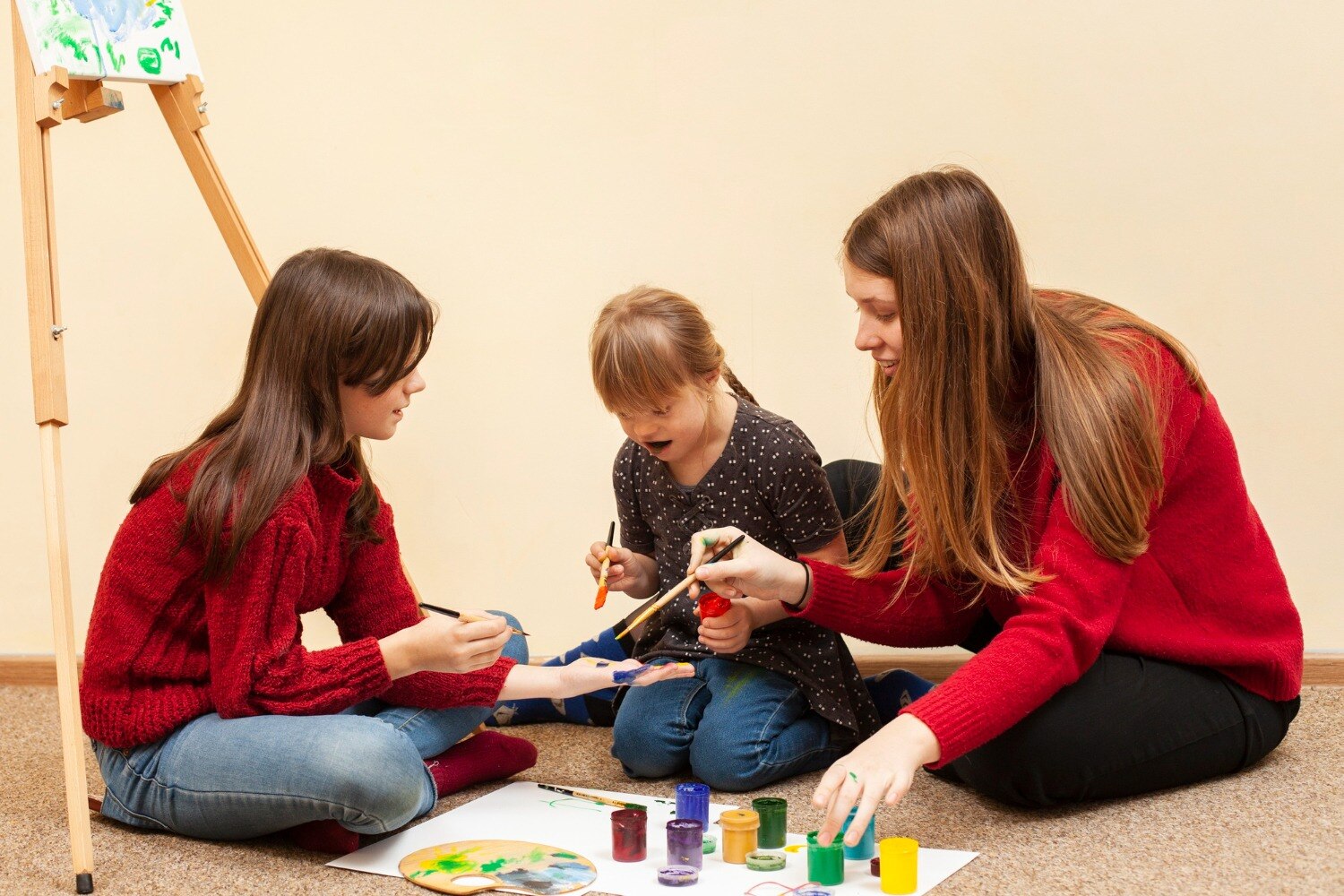
Choosing between special education, behaviour therapy, school support and a combined plan depends on the child’s functional needs, not on a diagnosis or a service label. You will be able to match common challenges to the right support, assess provider quality, and compare options in Pune before committing to a programme.
Key takeaways
- Choose support based on your child’s functional barriers, not diagnosis alone.
- Use assessment results to set observable goals for communication, learning and self-care.
- Combine special education and behaviour therapy when learning and behaviour barriers overlap.
- Review progress through recorded measures, classroom observations and caregiver feedback.
Special education, behaviour therapy or both: what does your child actually need?
Choose based on the barrier, not the diagnosis. Special education for young children teaches learning, communication, self-care and participation through an individual developmental and functional assessment.
Behaviour therapy targets actions that block safety or learning; ABA therapy is one structured approach using reinforcement, prompting, task analysis, visual supports and functional communication, not a guarantee of effective treatment.
| Option | What it means | When it applies |
|---|---|---|
| Special education | Individualised teaching with adapted materials, goals and instruction | Academic delay, trouble following instructions or learning readiness |
| Special school behaviour therapy | Behaviour support within a specialised school setting | Aggression, self-injury, elopement or severe disruption affecting safety and access |
| ABA therapy | Data-based teaching of skills and replacement behaviours | Communication barriers, transitions, following instructions or daily routines |
| Classroom support | Aide, visual schedule, seating, extra processing time or modified tasks | Poor classroom participation when the child can learn with accommodations |
| Developmental therapy | Work on language, motor, sensory, social and adaptive development | Broad delays, communication difficulties, sensory needs or self-care delays |
Your child may need both: special education for academic access and behaviour therapy for hitting, running away or refusing essential routines. A developmental therapist may build communication that prevents these behaviours, while classroom support helps the skill work in school.
Ask for goals such as requesting help, waiting, using a break card or joining group time—not forced eye contact or silent sitting. The Rights of Persons with Disabilities Act, 2016 supports inclusive education and reasonable accommodation, so compare specialised placement with supported participation in an ordinary setting.
If behaviour changes suddenly, check pain, constipation, sleep, hunger, medication, seizures, hearing, vision and communication breakdown before calling it deliberate.
What should the first assessment measure?
A diagnosis is only one data point. The first assessment should show what the child can do, where support breaks down, and which skills matter in daily life.
- Developmental history: milestones, health, sleep, hearing, previous services, and family priorities.
- Language and communication: understanding, expression, gestures, AAC access, requesting, refusing, and conversation.
- Learning: attention, play, imitation, early literacy, numeracy, and response to instruction.
- Sensory and motor needs: movement, coordination, regulation, and access to materials.
- Adaptive skills: eating, dressing, toileting, hygiene, safety, and independence.
- Behaviour triggers: what happens before and after distress, aggression, self-injury, or leaving.
- Current school demands: group participation, transitions, classroom tasks, peer access, and reasonable accommodations.
For special school behaviour therapy, use ABC records: write the antecedent, describe the observable behaviour, and record the consequence. “Naughty” and “non-compliant” hide the problem; “pushed the worksheet away and left the table after a two-step instruction” gives a team something to investigate.
A functional behaviour assessment then tests what the behaviour achieves, such as changing a demand or obtaining attention or an item. The report should turn findings into observable goals, including requesting help, expressing refusal, asking for a break, joining a group, or completing a classroom task.
Do not measure success only by quiet sitting or eye contact; measure communication, participation, safety, self-care, regulation, and access to learning.
How are goals taught, measured and practised safely?
A useful goal names the behaviour, condition and measurement: sit at a table for five minutes, request a break using a word, picture or AAC device, follow a two-step instruction, or reduce hitting from a recorded baseline of four episodes per day to one. Quiet sitting or eye contact alone is not a meaningful outcome.
1. Begin with baseline data from home and school, including frequency, duration, successful attempts and triggers. Define hitting clearly so every adult records the same event.
2. Present short, achievable tasks with a visual schedule, task analysis, modelling and prompts. Fade prompts gradually; reinforce the child immediately for the target response, not for suppressing communication.
3. Use functional communication training to replace hitting, dropping or escape with an easier response: break, help, finished or no. Provide the speech, sign, picture or speech-generating device consistently and honour the request.
4. Practise transitions with warnings, a timer, first-then language and repeated movement between activities, people and settings. A skill learned in therapy must be practised at home, school and in the community.
5. Review data weekly and change the teaching plan when progress stalls. A special school behaviour therapy programme should name its method, supervisor, review date and response to setbacks; child behaviour therapy Pune is a search phrase, not proof of quality.
6. Write a safety plan for elopement, self-injury and aggression, including prevention, supervision, emergency contacts and prohibited responses. Ask a clinician to review pain, sleep, seizures, constipation, hearing or medication effects.
7. Coach caregivers and teachers through demonstration, practice and feedback, so the same prompts, reinforcement and communication system continue across home and school.
Which setting fits: special school, mainstream support, therapy centre or a hybrid plan?
Choose the setting by matching support intensity to the child’s daily needs, not by assuming that a special school is the strongest option. The Rights of Persons with Disabilities Act, 2016 recognises inclusive education, reasonable accommodation and support in ordinary schools.
| Option | Class, staff and curriculum | Peers, therapy and continuity |
|---|---|---|
| Special school | Smaller classes may allow closer supervision; check teacher qualifications, curriculum level and individual goals. | Peer contact is within a disability-focused setting; therapy may be built in, but ask about frequency, transport and transition to other settings. |
| Mainstream school with learning support | The child follows the regular curriculum with accommodations, classroom assistance or modified work. Confirm who supports instruction and manages safety. | Daily peer access is broader; therapy often happens outside school, so require written coordination and shared progress measures. |
| Therapy centre | Individual or small-group sessions target communication, learning, behaviour or daily living rather than full-time education. | Therapy frequency can be high, but skills may not transfer without home and school practice. Transport and missed-session policies matter. |
| Hybrid plan | Combines school attendance with therapy-centre sessions or special-educator support. | It offers broader practice across settings, but only if professionals share goals, data and transition plans. |
For special education Pune or child behaviour therapy Pune searches, treat “special school behaviour therapy” as a service label, not proof of a method or qualification. SAVI CHILD DEVELOPMENT AND RESEARCH CENTRE PVT LTD can be one centre you ask to explain how goals transfer between therapy, home and school.
Before enrolling, ask:
- Is the responsible professional RCI-registered where the role requires it?
- Who supervises staff, and how often?
- Will you receive dated progress reports and observe a session?
- How are attendance, cancellations and missed sessions recorded or rescheduled?
- What is the transition plan if the child changes class, school or support level?
Related services
Special Education provides personalized learning and developmental support for children with different learning needs and abilities. View service → |
ABA Therapy Applied Behavior Analysis (ABA) Therapy is a personalized approach that helps children develop important communication, social, learning, and... View service → |
How can you recognise a good fit before and after enrolment?
Before enrolling, judge the plan by what your child can do in daily life—not by how quiet they appear in a session. A good fit respects communication differences, protects dignity, and links special education for young children to participation at home, school and in the community.
1. Ask for functional, age-appropriate goals: requesting help, using AAC, waiting, toileting, joining play, following instructions, staying safe or expressing “no”—not eye contact, forced stillness or obedience alone.
2. Request the baseline: what happens now, how often, for how long and in which settings. Agree on data you can see, such as weekly frequency, duration, task completion or independent requests.
3. Ask how skills will generalise beyond the therapy room. The plan should include home, classroom and community practice, with parent training rather than instructions to “continue at home.”
4. Confirm informed consent for procedures, who supervises staff, and what physical management means. Reject unexplained restraint, humiliation, pain, threats or intervention that increases distress without a documented safety reason.
5. Include child choice: preferred activities, breaks, communication method and a reliable way to refuse. Ask how staff respond when your child cries, withdraws or becomes overwhelmed.
6. Treat cure promises, eye-contact-only goals, missing baselines, no parent training and refusal to discuss setbacks as warning signs. “Child behaviour therapy Pune” and “special school behaviour therapy” are search terms, not proof of a method.
Before starting, get the assessment, goals, data sheet, session frequency, fees, cancellation policy, safety plan and review date in writing. Agree on plain-language communication, your time commitment, school coordination and reviews every 4–8 weeks; ask what changes if progress stalls.
For special education Pune options, discuss reasonable accommodation and inclusive access under the Rights of Persons with Disabilities Act, 2016.
Frequently asked questions
Does my child need special education, behaviour therapy or both?
Choose based on the barrier. Special education teaches learning, communication, self-care and participation; behaviour therapy addresses behaviours that block safety, learning or daily routines. Children with overlapping needs may benefit from both.
What should a first assessment measure?
Ask for measures of communication, learning, play, self-care, sensory needs, behaviour, participation and functional independence across home and school settings.
How should goals be taught and measured safely?
Set observable goals, teach skills in small steps, record performance consistently, practise across people and settings, and use positive, proportionate support.
Which setting is best for a young child?
Compare a special school, mainstream support, therapy centre and hybrid plan against your child’s learning profile, communication needs, safety, travel demands and opportunities to practise skills.
How can you tell whether a placement is a good fit?
Before enrolment, observe a session and review assessment methods, goals and communication. After enrolment, check progress data, caregiver feedback, participation and whether goals transfer beyond the setting.